Monday, October 16, 2023

Exploring the Different Types of Pneumatic Valves and Their Applications


In the world of engineering and automation, pneumatic systems play a crucial role in powering machinery and controlling processes. Central to these systems are pneumatic valves, which act as the gatekeepers of compressed air, regulating its flow to perform a variety of tasks. Pneumatic valves come in many forms, each tailored to specific applications. In this article, we will explore the various types of pneumatic valves and their diverse uses in different industries.

Solenoid Valves 

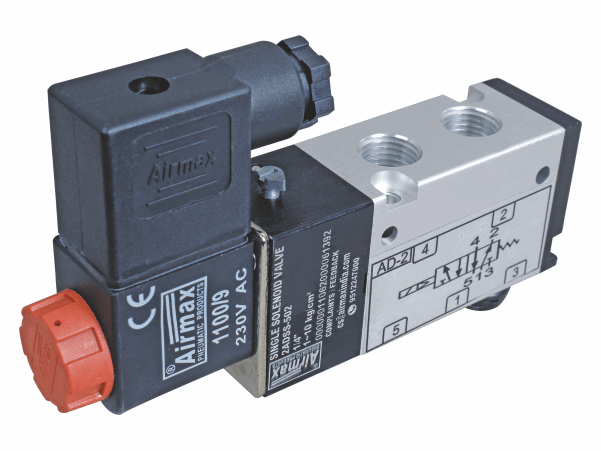
Solenoid valves are perhaps the most commonly used type of pneumatic valve. They are easy to control and are often found in applications where rapid response is crucial. An electromagnet opens and closes a solenoid valve, allowing or blocking compressed air flow. These valves are ideal for tasks like controlling the flow of air in an air conditioner or managing the inflation and deflation of pneumatic cylinders in manufacturing.

Directional Control Valves

These valves are the workhorses of many pneumatic systems. They control the direction of airflow and are often used in applications requiring precise and sequential movement. Directional control valves come in various configurations, including 2/2, 3/2, and 5/2 valves, each suited for different purposes. For instance, a 3/2 directional control valve is often used in conveyor systems to divert products along different paths.

Pressure Relief Valves

Safety is paramount in any pneumatic system. Pressure relief valves are designed to protect equipment and personnel by releasing excess pressure when it surpasses a predetermined limit. These valves are vital in situations where over-pressurization could lead to catastrophic failure, such as in hydraulic systems or industrial air compressors.

Flow Control Valves

Maintaining precise control over the flow of air is essential in many pneumatic applications. Flow control valves allow operators to regulate the speed at which pneumatic actuators, like cylinders or motors, move. These valves are commonly used in manufacturing for tasks like controlling the opening and closing of a robotic gripper arm.

Proportional Valves

In situations where fine-tuned control is necessary, proportional valves come into play. These valves can vary the amount of air passing through them in proportion to the input signal, allowing for precise adjustments. Proportional valves find their place in applications such as the aviation industry for controlling hydraulic actuators on aircraft.


Pilot-Operated Valves

These valves are more complex and versatile than their direct-acting counterparts. They use a smaller pilot valve to control the larger main valve, making them suitable for high-pressure applications. Pilot-operated valves are used in a variety of applications, including controlling the flow of hydraulic fluid in heavy machinery.

Rotary Valves

Unlike the linear motion of most pneumatic valves, rotary valves operate by rotating a spool or disk to control airflow. These valves are often used in situations where a 90-degree or 180-degree rotation is necessary, such as opening and closing the doors of pneumatic cabinets or controlling the movement of a rotary actuator in industrial equipment.

Manifold Valves

When a system requires multiple valves to work in tandem, manifold valves come into play. They consolidate multiple valves into a single unit, simplifying installation and reducing the chances of leaks. Manifold valves are commonly found in complex pneumatic systems used in industries like automotive manufacturing.


In conclusion, pneumatic valves are the unsung heroes of automation and engineering, enabling a wide range of applications across various industries. The diverse types of pneumatic valves, from the simple but essential check valve to the precise proportional valve, cater to a multitude of needs, ensuring that compressed air is harnessed effectively and safely. As technology continues to advance, the applications of pneumatic valves will only become more sophisticated, revolutionizing the way we automate and control processes.

Friday, October 13, 2023

The Importance of Properly Maintaining Directional Control Valves

 Proper maintenance of directional control valves is essential for the reliability and efficiency of pneumatic and hydraulic systems. These valves control the flow and direction of fluids, playing a pivotal role in various industrial applications. Regular maintenance includes cleaning, lubrication, and inspection for wear and tear. Neglecting maintenance can lead to valve malfunctions, leaks, and system failures, potentially causing costly downtime and safety risks. By prioritizing the upkeep of directional control valves, you ensure the smooth operation of your machinery, prolong the valves' lifespan, and minimize the chances of unexpected breakdowns.

Maximizing System Reliability


System reliability is a critical concern in industrial applications where directional control valves are utilized. These valves play a central role in regulating the flow and direction of fluids in hydraulic and pneumatic systems. The importance of maintaining them cannot be overstated. Regular maintenance not only keeps the valves functioning optimally but also enhances overall system reliability.

When directional control valves operate smoothly, it minimizes the risk of system failures and disruptions, which can be particularly costly in industries where production processes are continuous and downtime is expensive. A well-maintained valve system contributes to enhanced productivity, meeting production targets consistently.

Preventing Costly Downtime


Downtime in industrial settings is a costly affair, and unexpected equipment failures, including those related to directional control valves, can lead to extensive financial losses. By proactively maintaining these valves, you can significantly reduce the risk of unplanned downtime.

Proper maintenance involves routine inspection, cleaning, and lubrication. Addressing issues before they escalate, such as valve wear, leaks, or blockages, helps avoid costly repairs and production delays. The financial savings achieved through preventive maintenance significantly outweigh the costs associated with downtime and emergency repairs.

Ensuring Safety in Industrial Environments


Safety is paramount in industrial environments. Neglecting the maintenance of directional control valves can lead to hazardous situations. Leaks, malfunctions, or valve failures may pose risks to both equipment and personnel.

Maintained valves are less likely to malfunction unexpectedly, reducing the potential for accidents. Additionally, by adhering to maintenance protocols, you ensure that valves operate within safety parameters, contributing to a safer work environment.

Extending the Lifespan of Directional Control Valves


Directional control valves are investments, and protecting that investment is crucial for businesses looking to manage costs. Routine maintenance extends the lifespan of these valves. By addressing wear and tear, cleaning components, and replacing parts as necessary, you ensure that your directional control valves remain operational for a longer duration.

Valves that receive proper maintenance tend to last significantly longer than those left unattended. This means you can maximize your return on investment, as you won't need to replace valves as frequently.

The Role of Maintenance in Valve Performance


Maintenance plays a pivotal role in the overall performance of directional control valves. Over time, these valves can accumulate dirt, debris, and wear on internal components. Without regular maintenance, their performance can deteriorate, affecting the efficiency of the entire hydraulic or pneumatic system.

Proper maintenance typically includes cleaning, inspection, and lubrication. Cleaning helps prevent blockages caused by debris, ensuring smooth operation. Inspection allows for the early detection of issues such as valve wear or leaks, which can be promptly addressed. Lubrication helps reduce friction and wear on moving parts, further enhancing performance.

In conclusion, the importance of properly maintaining directional control valves cannot be overstated. The benefits are threefold: maximizing system reliability, preventing costly downtime, and ensuring safety in industrial environments. Additionally, maintenance extends the lifespan of the valves and contributes significantly to their ongoing performance. By prioritizing the upkeep of directional control valves, businesses can safeguard their investments, enhance productivity, and reduce the potential for costly and disruptive downtime.


Tuesday, September 26, 2023

Applications and Advantages of 3/2 Double Solenoid Valves

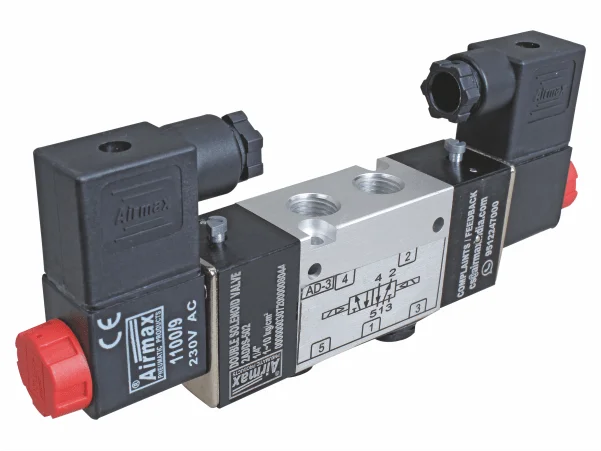
3/2 Double Solenoid Valves find extensive use in various pneumatic and fluid control systems. These valves offer versatile solutions for switching between two distinct flow paths, making them ideal for applications where precise control is essential.


Their advantages include rapid response times, enabling quick changes in flow direction, and reliability in demanding environments. Common uses include automation, industrial machinery, and robotics, where these valves ensure efficient and precise fluid control, contributing to improved system performance and productivity.

Industrial Automation and Control

Industrial automation relies on a multitude of components and technologies to streamline manufacturing processes and improve efficiency. One of the key elements in this ecosystem is the 3/2 Double Solenoid Valve. These valves play a crucial role in controlling the flow of air or other gases in automated systems.

In industrial automation, the 3/2 Double Solenoid Valve serves as a fundamental tool for controlling the movement of pneumatic actuators. These actuators are responsible for tasks such as opening and closing valves, moving conveyor belts, and handling materials. The valve's ability to quickly switch between two flow paths allows precise control of these actuators, enabling machinery to perform tasks with accuracy and speed.

Enhanced Precision in Robotics

Robotics is another domain where 3/2 Double Solenoid Valves find extensive use. Robots require precise control over their movements, and pneumatic systems are often used to achieve this level of control. The 3/2 Double Solenoid Valve is a critical component in these systems.

In robotics, these valves enable fine-tuned control over pneumatic actuators responsible for tasks like gripping, lifting, and rotating. Their rapid response times and ability to switch between two flow paths swiftly allow robots to carry out complex operations with enhanced precision. Whether in manufacturing, warehousing, or medical applications, the use of these valves ensures robots can perform their tasks accurately and efficiently.

Fluid Control in Pneumatic Systems

Pneumatic systems are widely employed in various industrial applications due to their simplicity, reliability, and cost-effectiveness. These systems rely on the controlled flow of air or gas to power machinery and perform various tasks. The 3/2 Double Solenoid Valve is a critical component in pneumatic systems, serving as the control center for fluid flow.

In pneumatic systems, these valves manage the direction of airflow, enabling the activation and deactivation of pneumatic actuators. This control is essential for processes such as material handling, clamping, and positioning. The valves allow for seamless transitions between pressurized and exhaust states, ensuring the system operates smoothly and efficiently.

Quick and Reliable Flow Reversal

One of the standout features of the 3/2 Double Solenoid Valve is its ability to provide quick and reliable flow reversal. This capability is particularly valuable in applications where rapid changes in fluid direction are required.

In tasks like machine part ejection, sorting, and diverting materials on conveyor belts, the valve's swift flow reversal is instrumental in achieving precise and timely actions. The reliability of these valves ensures that processes continue uninterrupted, minimizing downtime and improving overall productivity.

Versatility for Diverse Applications

Perhaps one of the most notable advantages of 3/2 Double Solenoid Valves is their versatility. These valves can be adapted to a wide range of applications across various industries. Their design allows for customization in terms of materials, sizes, and configurations to suit specific needs.

Whether in automotive manufacturing, food processing, pharmaceuticals, or packaging, these valves can be tailored to meet the demands of different environments and processes. Their adaptability and reliability make them a go-to choice for engineers and system designers seeking flexible solutions for fluid control.

In conclusion, 3/2 Double Solenoid Valves play a pivotal role in industrial automation and control, robotics, pneumatic systems, and many other applications. Their ability to provide precision, reliability, and quick flow reversal makes them indispensable components in modern manufacturing and automation processes. Their versatility ensures they remain a cornerstone technology for engineers and industries seeking efficient and precise fluid control solutions.

Custom Single Solenoid Valves: Tailored Solutions for Your Needs


Custom single solenoid valves are the epitome of tailored solutions for specific requirements. When seeking precision and efficiency, partnering with a reputable single solenoid valve manufacturer is crucial. These manufacturers possess the expertise to design and produce bespoke solutions that perfectly align with your needs. From unique applications to specialized materials, custom single solenoid valves ensure optimal performance. Join us in exploring the world of tailored solenoid valve solutions, where a trusted manufacturer can craft the precise components you require to enhance your operations.


Understanding the Benefits of Customization

Custom single solenoid valves offer a wide range of advantages over off-the-shelf solutions. These benefits stem from tailoring the valve to meet the specific needs of your application, resulting in improved performance, efficiency, and overall effectiveness.


One of the primary benefits is enhanced functionality. By customizing the solenoid valve, you can ensure that it precisely matches the requirements of your system. This can lead to more precise control over fluid or gas flow, reducing waste and energy consumption.


Additionally, customization can optimize the valve's size and shape to fit the available space within your machinery or system. This efficient use of space can be critical in industries where every square inch counts.


Customization also allows for the selection of materials and components that best suit your application's environment. Whether you require resistance to extreme temperatures, chemicals, or corrosive substances, tailored solenoid valves can provide the durability and reliability needed to withstand challenging conditions.


Precision Engineering for Your Specific Application

Precision engineering is a hallmark of custom single solenoid valves. Manufacturers work closely with you to understand the exact requirements of your application, including factors like flow rates, pressure levels, response times, and compatibility with other system components.


This precision extends to the valve's design and construction. Each component is carefully selected and assembled to ensure optimal performance and longevity. This level of detail ensures that the custom valve meets or exceeds your expectations.


Manufacturers employ advanced engineering techniques, such as computer-aided design (CAD) and finite element analysis (FEA), to fine-tune every aspect of the valve. This results in a product that not only functions flawlessly but also contributes to the overall efficiency and reliability of your system.


Materials and Configurations: Your Choices, Your Solenoid Valve

Customization extends to the choice of materials and configurations for your solenoid valve. Depending on your application's requirements, you can select materials that offer resistance to corrosion, high temperatures, or specific chemicals. Common materials include stainless steel, brass, and various plastics.


Moreover, you can specify the valve's configuration, including the number of ports and positions, to precisely match your system's needs. Whether you require a two-way, three-way, or four-way valve, custom manufacturers can create the ideal configuration for your application.


Customization also extends to the electrical specifications of the solenoid, allowing you to choose voltage, current, and other electrical characteristics that integrate seamlessly with your control system.


Quality Assurance in Custom Solenoid Valve Manufacturing

Quality assurance is a critical aspect of custom solenoid valve manufacturing. Reputable manufacturers adhere to strict quality control procedures throughout the design and production processes. This ensures that every custom valve meets stringent performance and safety standards.


Quality assurance includes rigorous testing of each valve before it leaves the factory. Testing may encompass functional checks, pressure tests, and environmental tests to ensure that the valve operates flawlessly under real-world conditions.


Furthermore, manufacturers often provide documentation and certification for their custom solenoid valves, giving you peace of mind that the product you receive is of the highest quality and reliability.


Applications Across Diverse Industries: Where Customization Matters

Custom single solenoid valves find applications across a wide range of industries, emphasizing the importance of customization in meeting specific needs.


In the automotive industry, custom solenoid valves are used in transmission systems, fuel injection, and emission control, where precise control is essential for optimal performance and efficiency.


In the medical field, customized valves are crucial in various applications, including ventilators, diagnostic equipment, and fluid handling systems. These valves must meet stringent safety and performance standards.


The aerospace sector relies on custom solenoid valves for tasks such as controlling aircraft landing gear, engine thrust vectoring and hydraulic systems. Precision and reliability are paramount in this industry.


In industrial automation, customized solenoid valves are essential components in assembly lines, robotics, and manufacturing processes where rapid, precise control of fluids or gases is required.


Custom single solenoid valves also play a critical role in the oil and gas industry, chemical processing, and water treatment, where they must withstand harsh environmental conditions and corrosive substances.


In conclusion, custom single solenoid valves offer numerous benefits, including enhanced functionality, precision engineering, material choices, and rigorous quality assurance. Their applications span a wide range of industries, underlining the importance of customization in meeting specific needs and ensuring optimal performance and reliability in diverse applications.

Saturday, September 16, 2023

Finding the Right Double Solenoid Valve Manufacturer for Your Industry

Solenoid valves are crucial components in various industries, playing a pivotal role in controlling the flow of fluids and gases. Among these, double solenoid valves hold a special place for their ability to provide precise and reliable operation. When it comes to selecting a manufacturer for these critical components, there are several factors to consider. This article aims to guide you through the process of finding the right double solenoid valve manufacturer for your industry, ensuring optimal performance and efficiency.

Expertise and Experience

The first and foremost consideration is the manufacturer's expertise and experience in producing double solenoid valves. An established manufacturer with a track record of producing high-quality valves is more likely to deliver reliable products that meet industry standards.

Product Range and Customization Options

Different industries have unique requirements when it comes to double solenoid valves. A reputable manufacturer should offer a wide range of products to cater to various applications. Additionally, they should provide customization options, allowing you to tailor the valves to your specific needs.

Technical Support and After-Sales Service

Technical support and after-sales service are crucial aspects of a successful partnership with a valve manufacturer. They should have a dedicated support team to assist with any technical queries or issues that may arise during installation or operation.

Reliability and Durability

The reliability and durability of double solenoid valves are of utmost importance. The manufacturer should use high-quality materials and employ advanced manufacturing techniques to ensure that their valves can withstand harsh operating conditions.

Cost-Effectiveness

It's important to strike a balance between cost-effectiveness and the quality of the product. A cheaper valve that fails prematurely can end up costing more in the long run due to downtime and replacement costs.

Reviews and Testimonials

Customer reviews and testimonials provide valuable insights into the reputation and performance of a manufacturer. Look for feedback from other industries similar to yours to get an idea of the manufacturer's suitability for your specific needs.


Introducing Airmax Pneumatic: Your Trusted Partner in Solenoid Valves

When it comes to finding the right double solenoid valve manufacturer for your industry, look no further than Airmax Pneumatic. With a legacy of excellence and a commitment to innovation, Airmax Pneumatic has established itself as a leading name in the industry.

About Airmax Pneumatic

Airmax Pneumatic is a distinguished manufacturer of high-quality pneumatic components, including a comprehensive range of solenoid valves. With over two decades of experience, Airmax Pneumatic has earned a reputation for delivering precision-engineered solutions that meet the exacting demands of various industries.

Why Choose Airmax Pneumatic?

  • Unmatched Expertise: With a team of skilled engineers and technicians, Airmax Pneumatic brings a wealth of expertise to the table. Their in-depth knowledge of solenoid valve technology ensures that you receive products of the highest quality.

  • Extensive Product Range: Airmax Pneumatic offers a diverse range of double solenoid valves, catering to a wide spectrum of industrial applications. Whether you require standard configurations or custom solutions, Airmax Pneumatic has you covered.

  • Stringent Quality Control: Quality is the cornerstone of Airmax Pneumatic's operations. Their valves undergo rigorous testing and inspection processes to guarantee optimal performance and reliability.

  • Technical Support: Airmax Pneumatic provides exceptional technical support to assist you at every stage, from selection to installation and beyond.

  • Competitive Pricing: Airmax Pneumatic understands the importance of cost-effectiveness. They offer competitive pricing without compromising on the quality and durability of their products.

Conclusion

Selecting the right double solenoid valve manufacturer is a critical decision that can impact the efficiency and reliability of your industrial operations. By considering factors such as expertise, product range, quality assurance, and customer feedback, you can make an informed choice.

Saturday, August 19, 2023

Modern Industrial Applications of 5 Way 2 Position Pneumatic Valve


Introduction to 5 Way 2 Position Pneumatic Valve

The 5 Way 2 Position Pneumatic Valve is a vital component within pneumatic systems that control the flow of compressed air or gases. It operates in two distinct positions – open and closed, and it can connect and disconnect different air passages within a pneumatic circuit.

How Does a 5 Way 2 Position Pneumatic Valve Work?

In its basic form, the 5 Way 2 Position Pneumatic Valve consists of five ports and two positions. These ports facilitate the entry and exit of compressed air or gases. When in the closed position, the valve blocks airflow between certain ports, while in the open position, it allows airflow to pass through. This dynamic control over airflow is crucial for directing the movement of pneumatic cylinders, actuators, and other components in a wide array of applications.

Advantages of Using 5 Way 2 Position Pneumatic Valve

  • • Quick Response: These valves offer rapid switching capabilities, enabling timely control of pneumatic actuators, which is essential for many industrial processes.
  • • Simplicity: Their design is relatively simple, making them easy to install, operate, and maintain.
  • • Durability: Constructed from sturdy materials, these valves are capable of withstanding harsh industrial environments.
  • • Cost-Effective: They provide an economical solution for controlling pneumatic systems compared to more complex alternatives.

Industrial Applications

Automotive Manufacturing

In automotive assembly lines, 5 Way 2 Position Pneumatic Valves are employed to control robotic arms, pneumatic presses, and conveyor systems. These valves enable precision in tasks like welding, painting, and component assembly.

Packaging Industry

Pneumatic systems with these valves find applications in packaging machines, ensuring accurate filling, sealing, and labeling processes in industries ranging from food to cosmetics.

Food Processing

Maintaining hygiene and precision is critical in the food industry. Pneumatic valves are used to regulate the movement of conveyor belts, sorting mechanisms, and packaging lines.

Pharmaceuticals

In the pharmaceutical sector, these valves contribute to the automation of drug production, from precise mixing of ingredients to packaging and labeling.

Textile Industry

Pneumatic valves play a role in controlling the dyeing, printing, and finishing processes in textile manufacturing, ensuring consistent and uniform results.

Robotics and Automation

5 Way 2 Position Pneumatic Valves are essential in robotic systems, controlling the movement of robot arms, grippers, and other components.

Aerospace Industry

From assembly to testing, pneumatic valves are integral to aerospace manufacturing, aiding in tasks like riveting, drilling, and painting.

Chemical Processing

In chemical plants, these valves regulate the flow of chemicals, ensuring accurate mixing and distribution.

Petrochemical Industry

Similar to chemical processing, pneumatic valves contribute to the safe and efficient handling of petrochemicals.

HVAC Systems

Heating, ventilation, and air conditioning systems utilize these valves for controlling airflow, ensuring optimal indoor comfort.

Integration of Airmax Pneumatic Valve

As a leader in pneumatic technology, Airmax Pneumatic offers a range of innovative 5 Way 2 Position Pneumatic Valves designed to meet the demands of modern industrial automation. With a focus on precision, reliability, and efficiency, Airmax Pneumatic valves seamlessly integrate into various applications, enhancing overall system performance.

Conclusion

The 5 Way 2 Position Pneumatic Valve stands as a cornerstone in modern industrial applications, driving automation, efficiency, and precision across diverse sectors. Its role in controlling pneumatic systems is indispensable, enabling industries to achieve higher productivity and quality standards.

How 2 Way Pneumatic Solenoid Valves Improve Airflow Control

Modern pneumatic automation systems depend on accurate airflow management to achieve smooth, repeatable, and efficient machine operation....